A Day at Crich Tramway Village – Trams, 1936 and Accessibility
For George's birthday this year, he chose a trip to the National Tramway Museum at Crich Tramway Village in Derbyshire. We hadn't visited for around eight years, so it was going to be interesting to see what had changed – and how accessible we found it now.

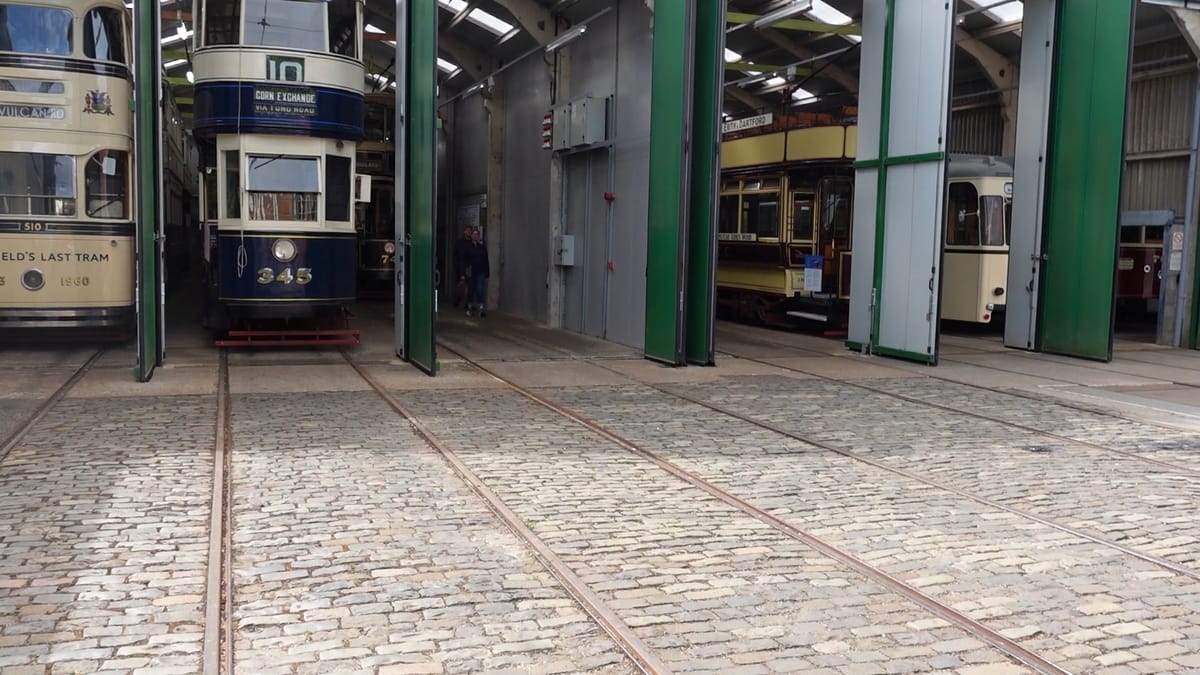
For George's birthday this year, he chose a trip to the National Tramway Museum at Crich Tramway Village in Derbyshire. We hadn't visited for around eight years, so it was going to be interesting to see what had changed – and how accessible we found it now.
My first visit to Crich, I got in for free because I arrived in an old car! More on that later.
Prices: £26 for an adult and £16 for a child (4–15) on the door in 2026 (cheaper if booked online in advance). Disabled tickets, available only on arrival, are £20 for an adult and £14 for a child, and include free return visits for 12 months (excluding special events).
Carer ticket: One registered carer admitted free for each disabled visitor.
Parking: Plenty of disabled parking close to the entrance on our visit.
Mobility: Cobbled and uneven surfaces in places. The historic trams vary — some have steps and narrow entrances; one has a ramp to the door, though its doorway may be too narrow for some wheelchairs. The museum’s own accessible tram was out of service on our visit, with a replacement being fundraised for.
Prices and policies as we found them on our visit — always check with the venue before you go.
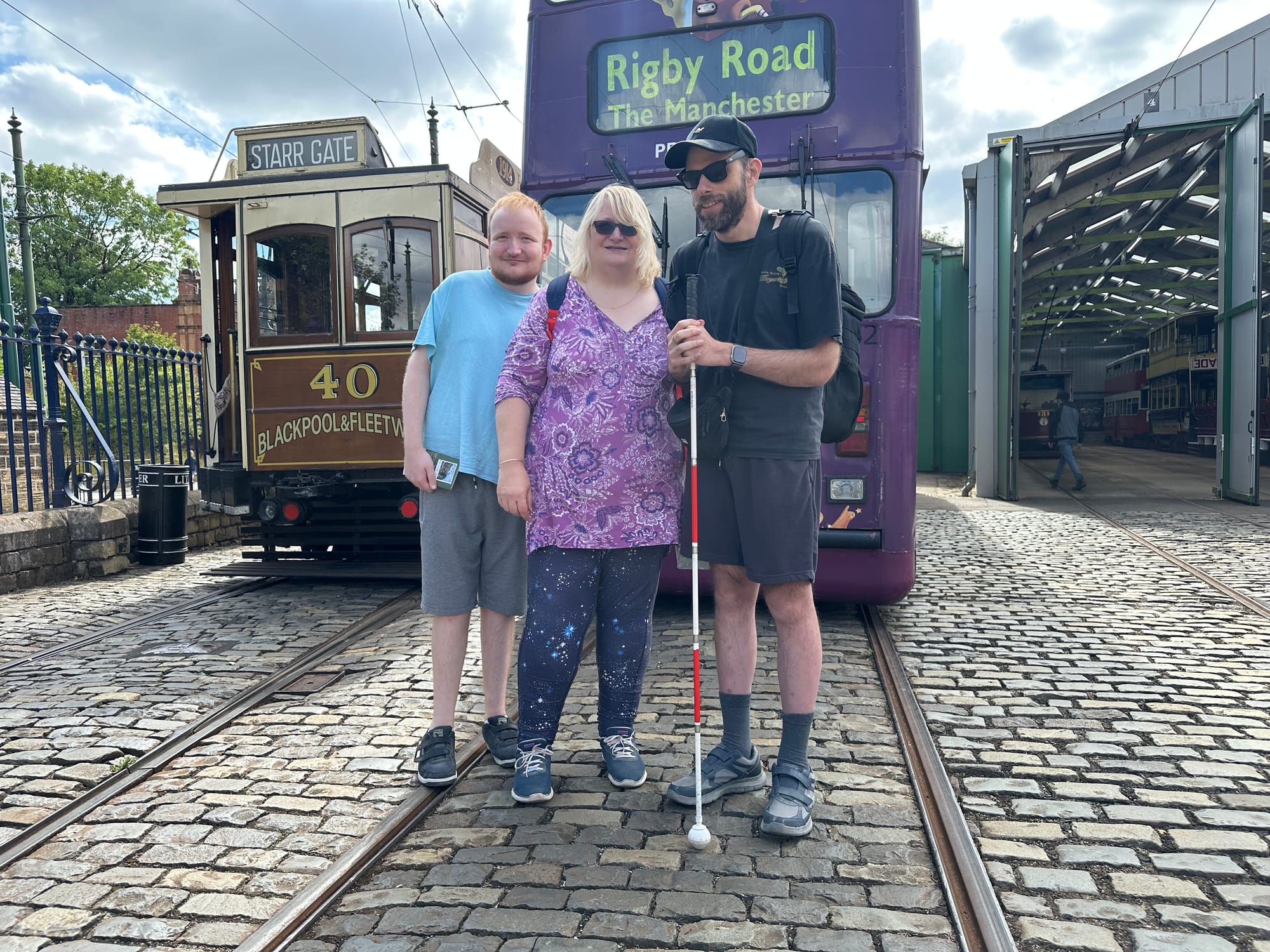
Arriving and parking
There was plenty of disabled parking close to the entrance when we visited, so we had no problems parking the van.
We chose to pay when we arrived. Standard admission is slightly more expensive on the door than booking in advance, with 2026 prices of £26 for an adult and £16 for a child aged 4–15.
However, disabled visitor tickets are only available on arrival. A disabled adult ticket costs £20 and a disabled child ticket costs £14, with one registered carer admitted free for each disabled visitor.
We therefore bought two disabled adult tickets for John and George, with me going in as a carer, making our total admission cost £40.
Even better, the disabled tickets are valid for free return visits for 12 months, subject to the museum's opening dates and excluding special events. So we can go back without paying admission again during the next year.
At admissions we were also each given an old penny, which we could later exchange for our tram tickets.
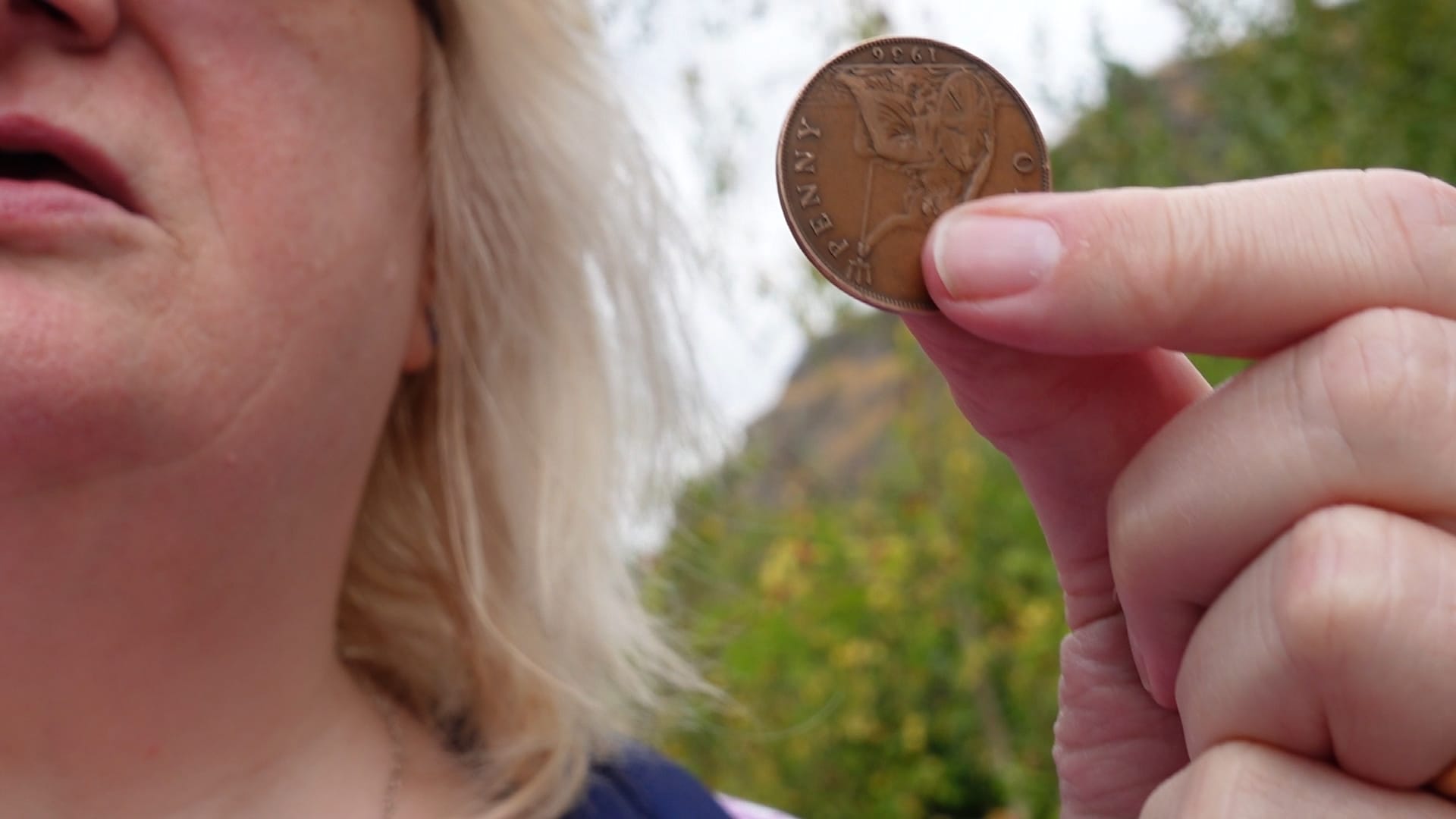
There is another rather unusual way to get free admission. If you own a pre-1980 vehicle and are willing to park it in the museum's period street for at least three hours, the driver can get in free, subject to availability. Passengers still have to pay.
That's actually how I got into Crich the first time I ever visited!
Stepping back in time
Once through the entrance, you walk down into Crich's recreated period street, complete with old shop fronts, signs and, of course, trams running along the middle.
The paths and cobbled areas are worth mentioning from an accessibility point of view. Some of the surfaces are uneven and can be bumpy for wheelchair users or anyone who has difficulty walking.
Crich does make an obvious effort to make the site as accessible as possible, while also having to work around historic buildings, vehicles and surfaces that were never designed with modern accessibility in mind.
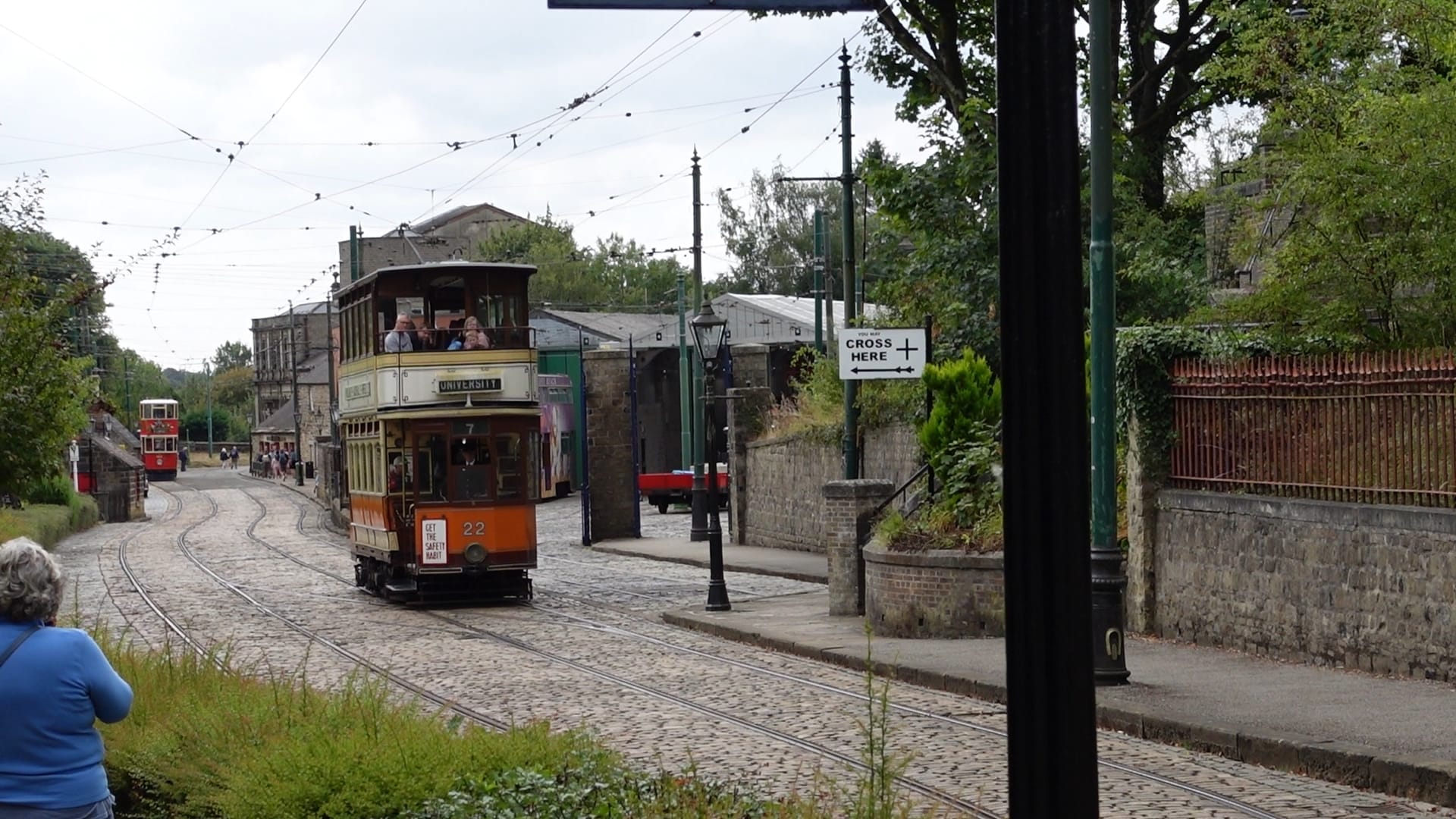
It wasn't long before we met somebody who apparently hadn't noticed that it was 2026 at all.
A conversation with a lady from 1936
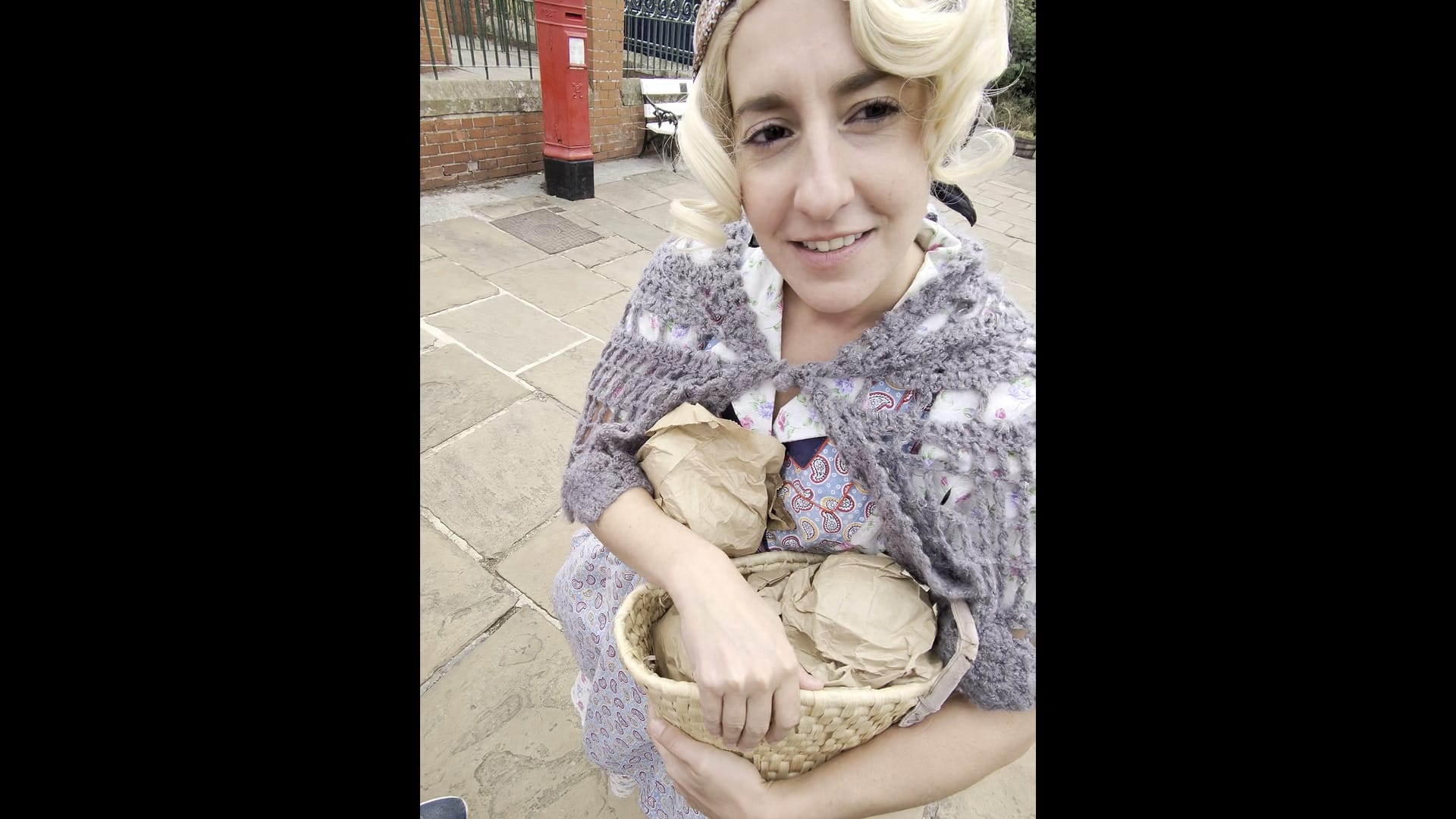
One of the highlights of our day was a completely unexpected encounter with a costumed character carrying a basket of shopping.
Her name was Mary Carter and she was from 1936. She had apparently just been shopping for such essentials as bread, bananas and a cabbage.
John was challenged on his knowledge of pre-decimal currency and asked how many pennies there were in a shilling.
His first guess was five.
The correct answer was twelve.
"Twelve, that was close," he replied.
No, John. It really wasn't.
The conversation then moved on to her plans to visit the cinema to see Swing Time with Fred Astaire and Ginger Rogers. It was a lovely spontaneous interaction and one of those things that really brought the period street to life.
Police boxes and very old telephones
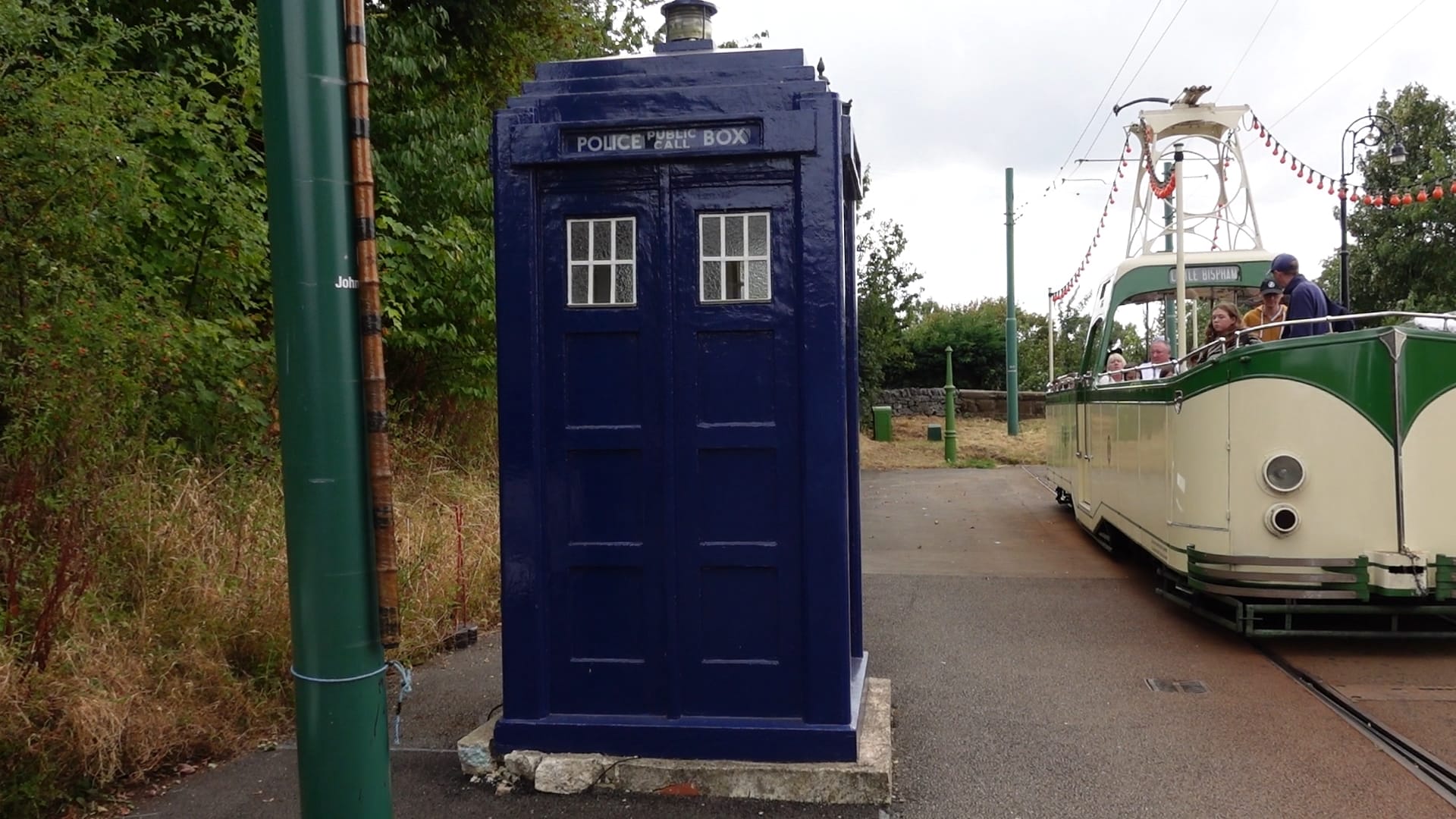
Further along the street we found a familiar-looking blue police box.
Obviously my first thought was Doctor Who, although unfortunately it was locked, so we couldn't check whether it was bigger on the inside.
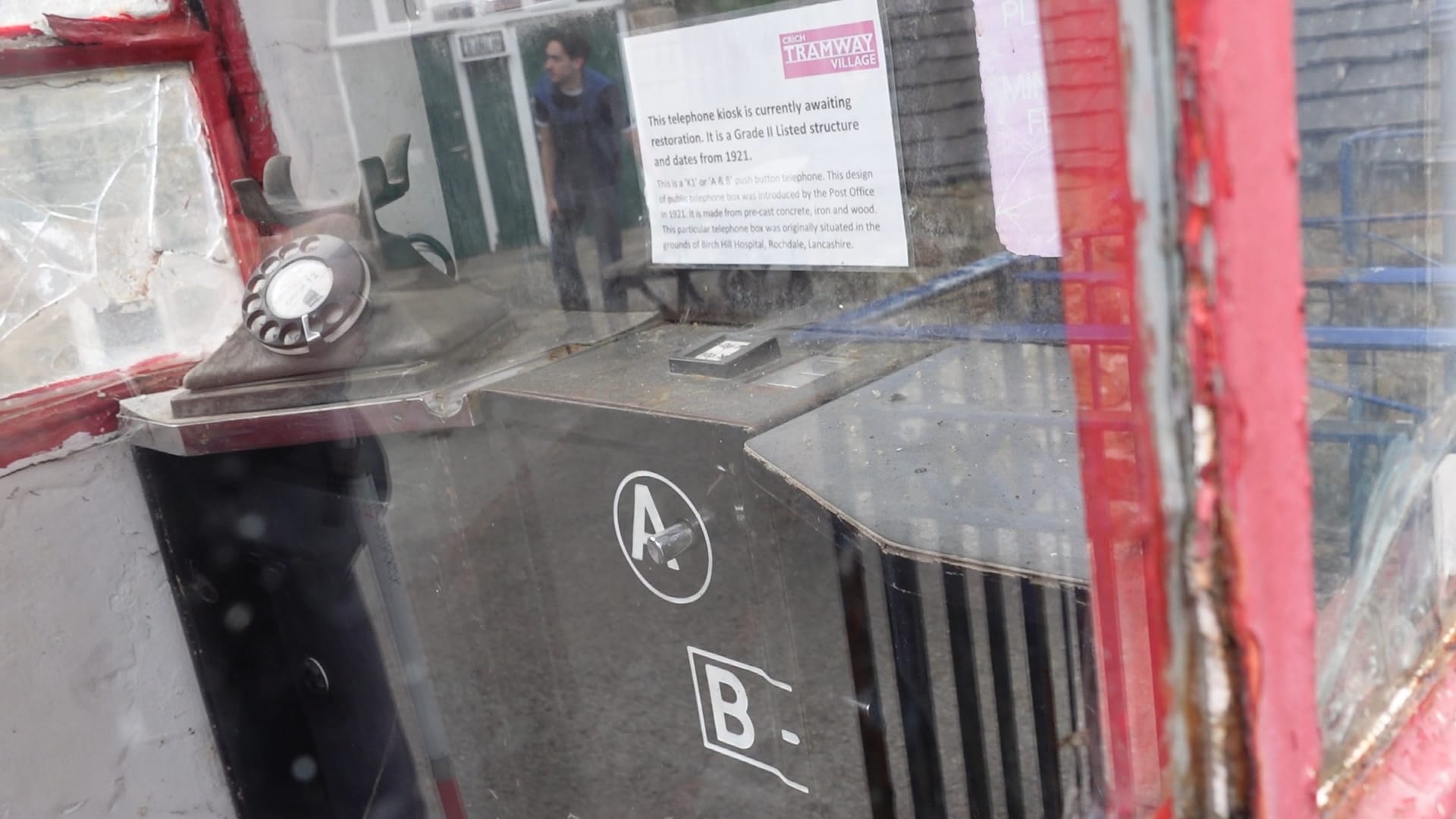
We also found a much older K1 telephone kiosk dating from 1921, complete with an old A and B button telephone.
George and I attempted to decipher the instructions for making a call, while John was confused that I mentioned A and B buttons, as he thought I was talking about the dial. I explained I was speaking about how to pay and that this old telephone has a rotary dial.
It was fascinating to see just how complicated making a telephone call once was. I'm quite happy to stick with my mobile phone!
Exploring the exhibitions
Crich isn't just about riding the trams. There are extensive indoor exhibitions covering the development of tramways from horse-drawn vehicles through steam and eventually electric trams.
We also learned something I don't think any of us particularly needed to know.
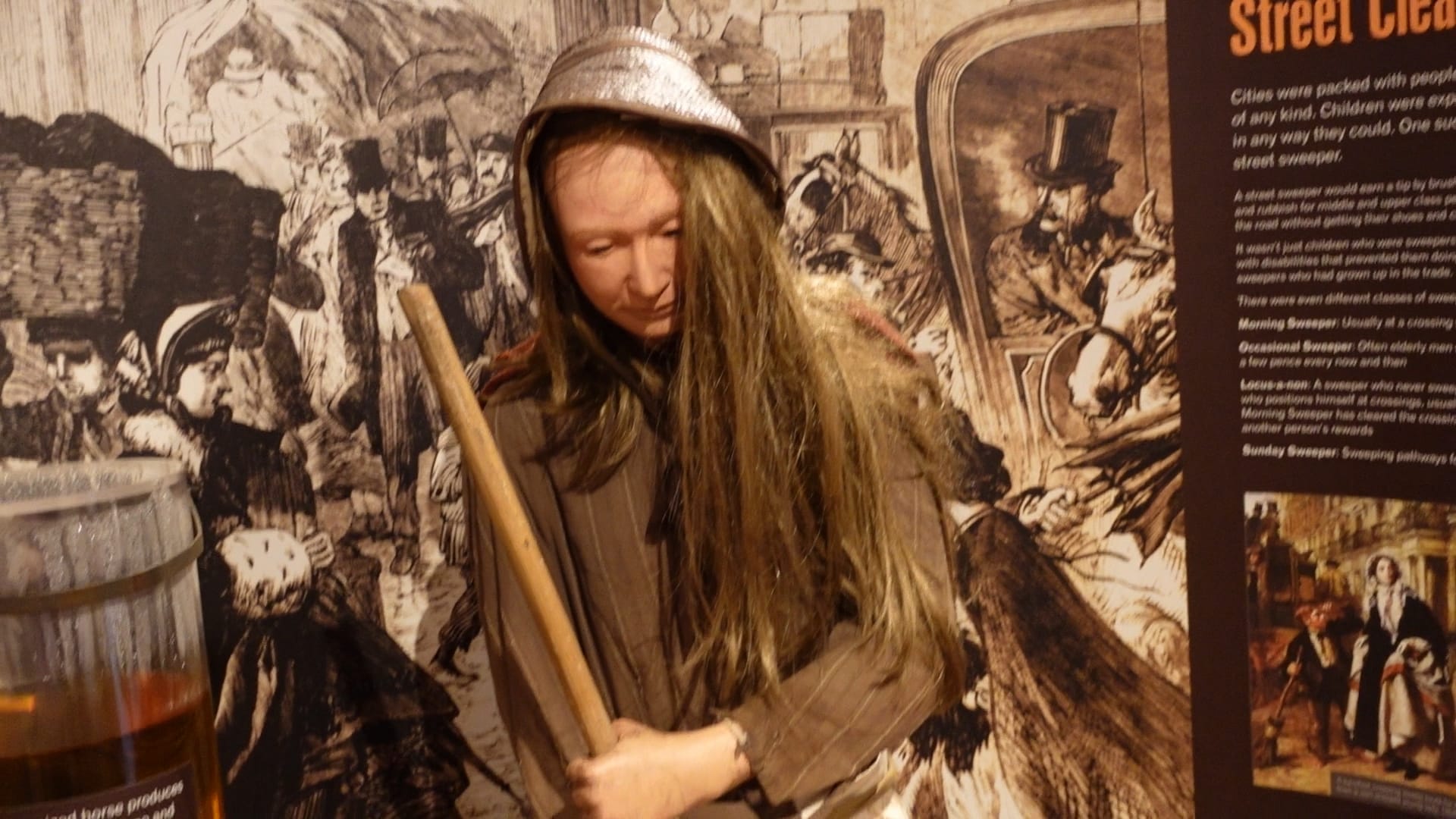
An average-sized horse apparently produces around 15kg of poo and 11.5 litres of wee every day.
As John put it, that was something he could have lived without knowing.
It certainly puts the job of the Victorian street cleaner into perspective!
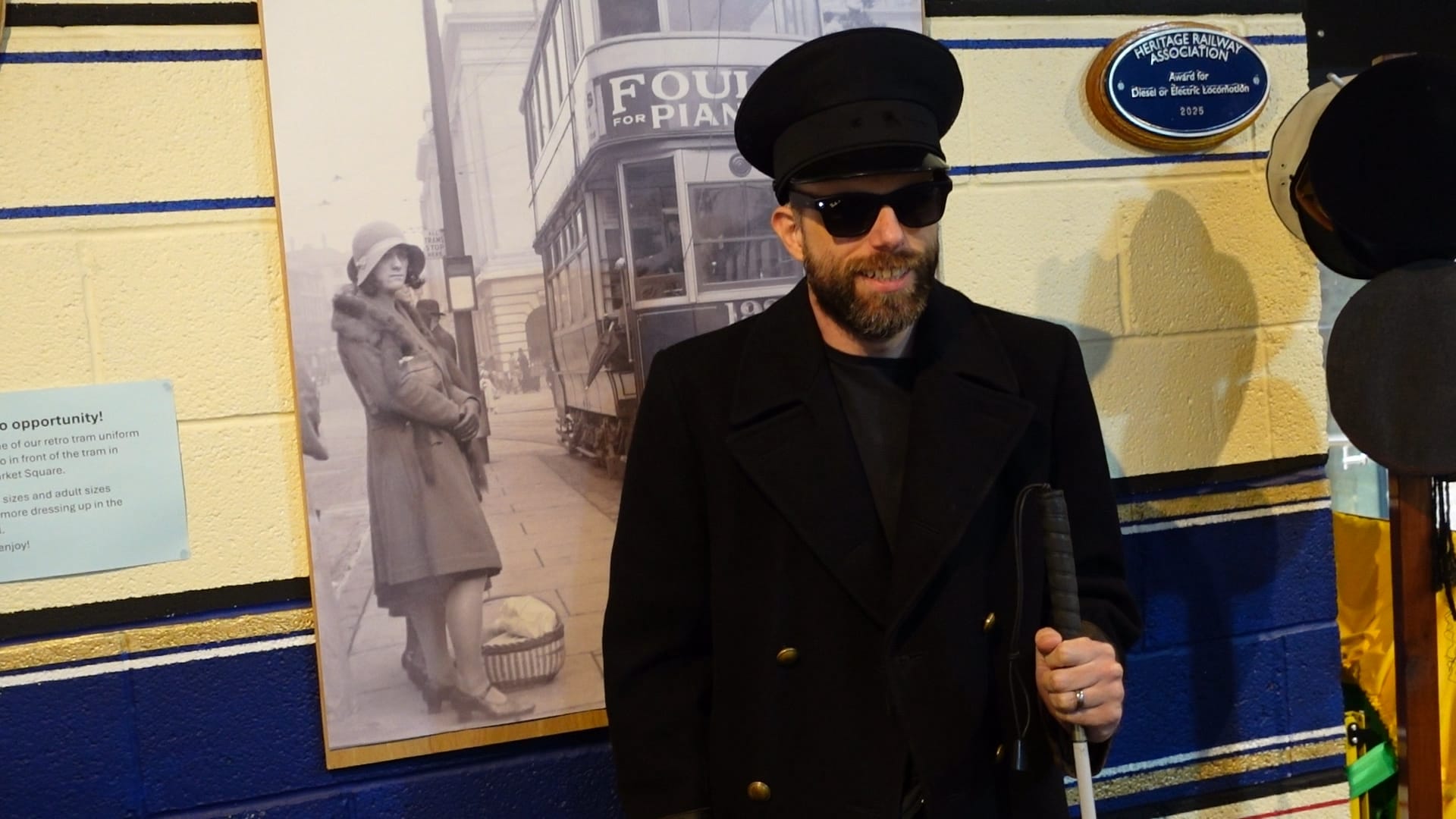
There was also an opportunity to dress up in old tram uniforms.
Naturally, John couldn't resist.
Once he had the black coat, cap and sunglasses on, I thought he looked less like a tram conductor and more like he belonged in The Blues Brothers.
His response?
"I'm on a mission from God."
Trams, trams and more trams
The Great Exhibition Hall takes you through the history of tram travel, from the horse-drawn trams of the 1860s and steam-powered vehicles of the 1880s through to the introduction of electric trams.
There is also a tram that you can actually climb aboard. This one is accessible, as there is a ramp leading up to the door. The doorway of the tram itself may be too narrow for some wheelchairs, though.
Again, the historic nature of the vehicles means that accessibility varies. Some have steps, narrow entrances and other features that simply weren't designed with disabled passengers in mind.
One feature I particularly like on the old trams is the reversible seating. Instead of turning the whole tram around at the end of the line, the backrest of the seat can simply be pushed across so that passengers face the opposite direction.
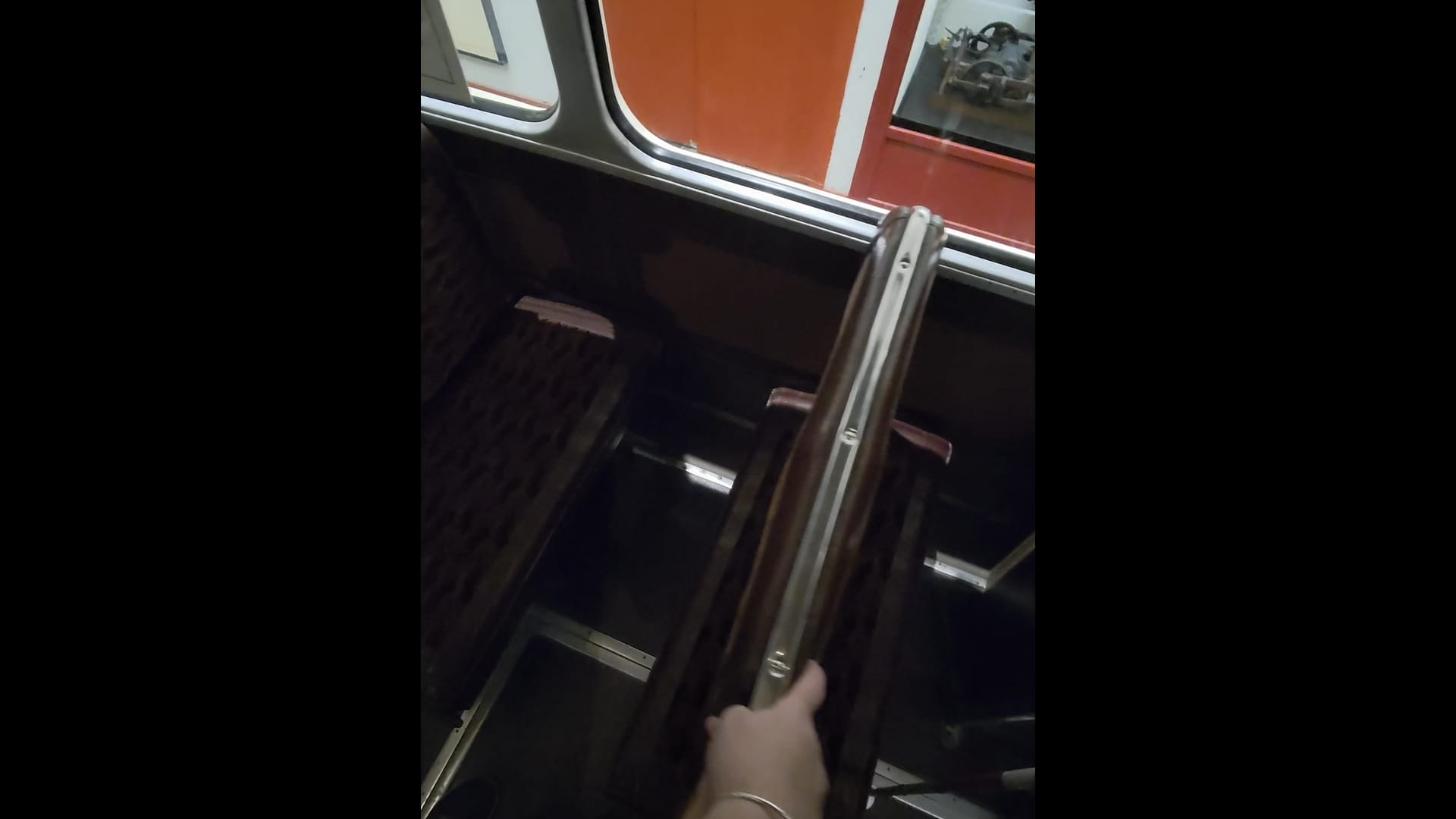
Unfortunately, the museum's dedicated accessible tram is currently out of service after developing serious faults. The museum is fundraising to convert another vehicle to provide an accessible tram in the future.
That's an important consideration for wheelchair users wanting to ride rather than simply explore the rest of the museum.
Riding the tram
Of course, we couldn't visit the National Tramway Museum without actually riding a tram.
We exchanged the old pennies we'd been given on arrival for our all day tickets once we were onboard.
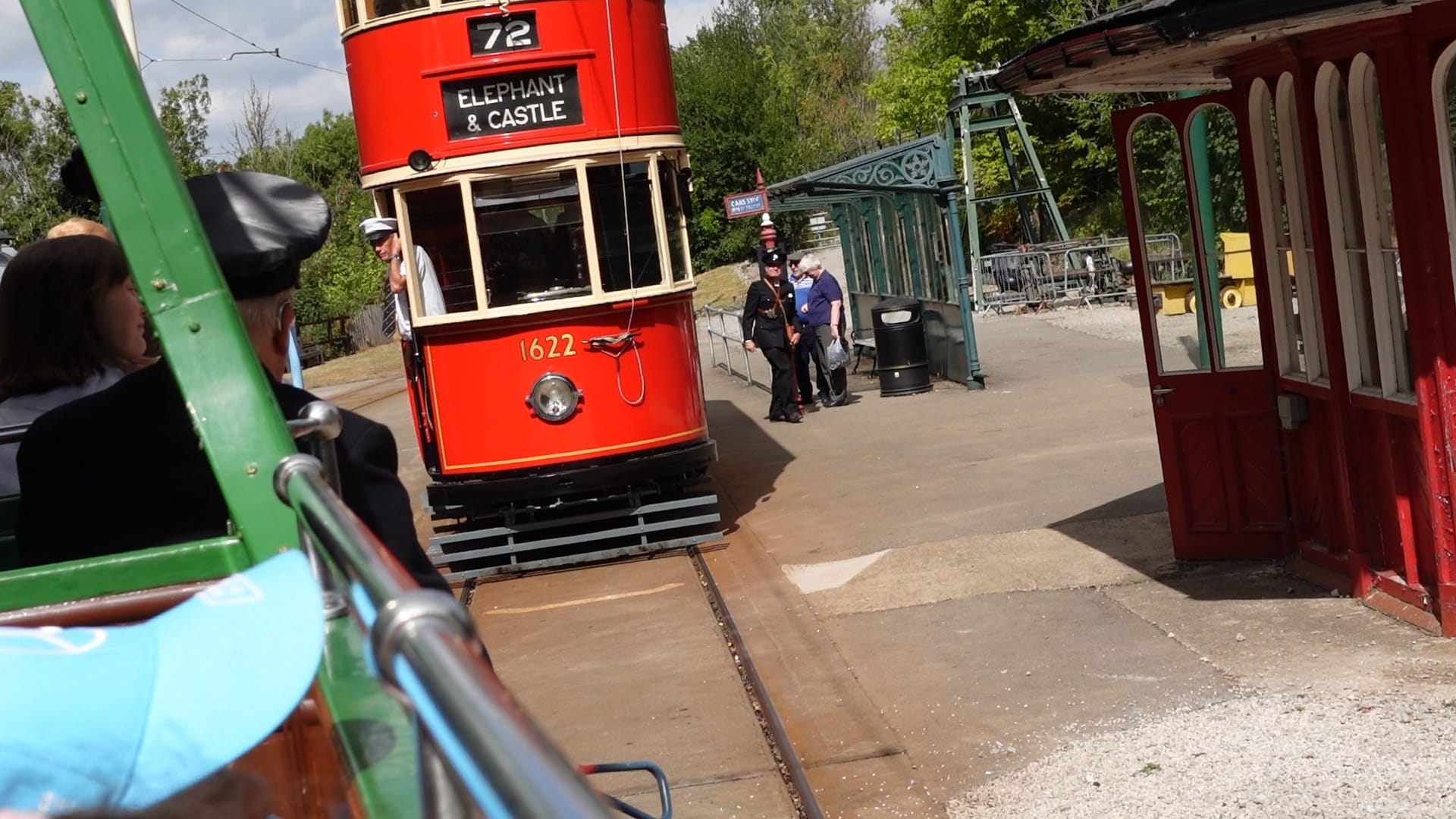
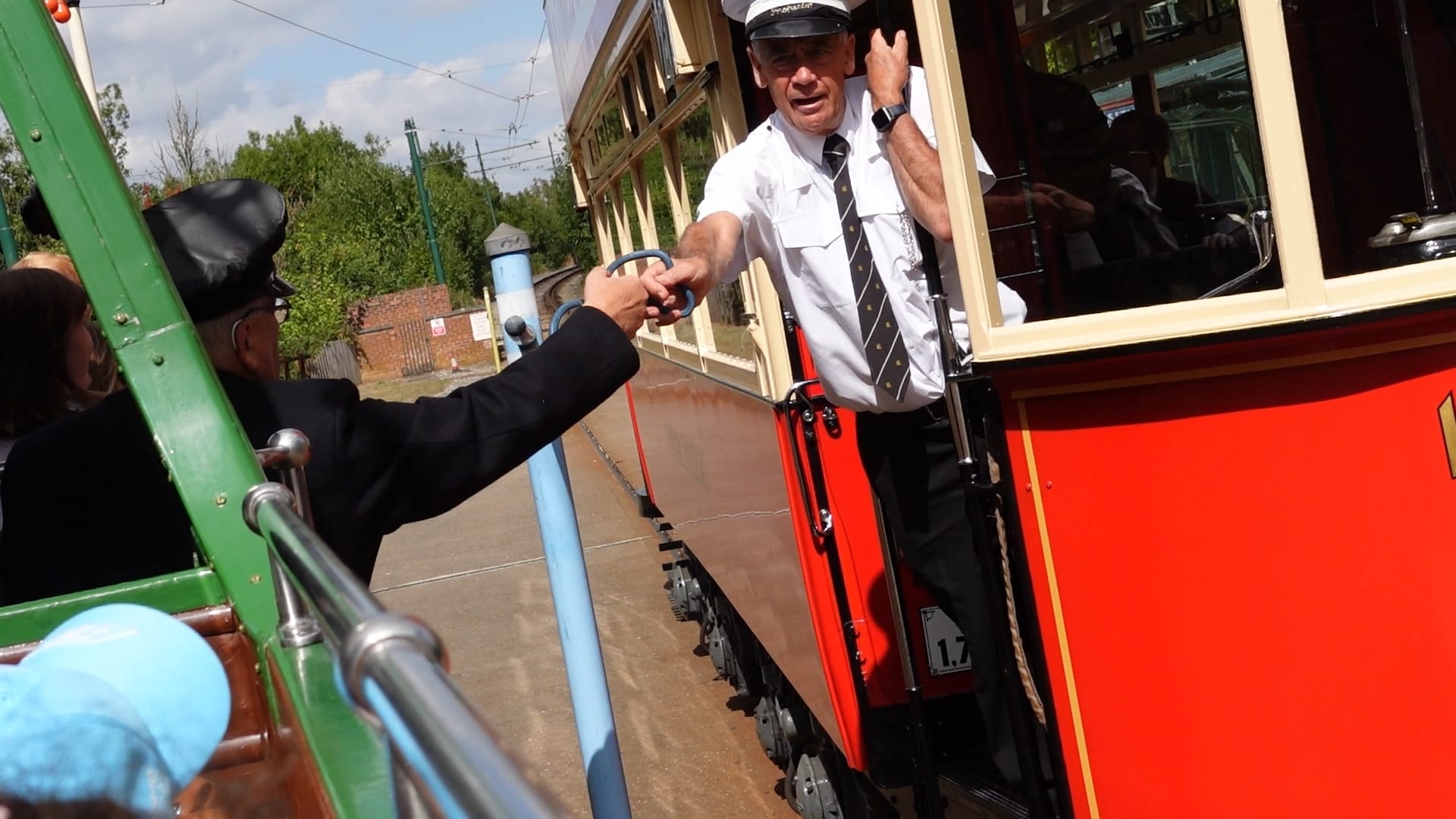
Part of the route is single track, and as we passed another tram at the passing point, we watched our conductor hand over the token to its conductor.
When we reached the end, it was time to put those reversible seats into practice. John and George flipped the seat backs over so that we could face the direction of travel for the journey back.
It's such a simple idea, but a very clever one.
So, how accessible is Crich Tramway Village?
Overall, we felt that the National Tramway Museum makes a genuine effort to make Crich as accessible as it reasonably can be.
There is disabled parking close to the entrance, discounted admission for disabled visitors, free admission for carers, and accessible routes to help visitors negotiate the site.
There are, however, unavoidable compromises. This is a historic tram museum with old vehicles, cobbles, uneven surfaces and buildings that weren't designed for modern accessibility standards. Some areas are therefore going to be easier to manage than others depending on your individual needs.
For John, who is completely blind and uses a white cane, and George, whose disabilities affect his mobility, we were able to enjoy a good day at Crich.
The fact that the dedicated accessible tram is currently unavailable is a significant limitation for wheelchair users who want the full tram-riding experience, and hopefully the museum will eventually be able to provide its planned replacement.
As always, accessibility is individual, so it's worth checking the National Tramway Museum's latest accessibility information before travelling if you have particular requirements.
Was it worth visiting?
Definitely.
George chose Crich for his birthday and, despite answering "maybe... possibly..." when I asked whether he'd enjoyed himself, we're taking that as a yes.
John got to ride vintage trams, talk to a woman from 1936 and become an honorary Blues Brother.
I bought two cushions for the van and yet another fridge magnet, because apparently our fridge was suffering from an unacceptable amount of visible white space.
And all three of us had a good day.
With our tickets allowing us to return during the next 12 months, there's every chance we'll be back.
Watch our visit
Want to see our day at the National Tramway Museum for yourself?
You'll see our encounter with 1936, John's questionable knowledge of old money, the exhibits, our tram ride and plenty more from our day at Crich.
Planning your own day out? See our full UK carer ticket and disabled admission directory — carer policies, disabled parking and access notes for every place we have reviewed.